


Creating an energy-efficient home not only benefits the environment but also saves you money on utility bills. While major renovations and upgrades may seem daunting, there are several small yet impactful changes you can make to enhance the efficiency of your home. In this blog post, we will explore three simple steps that you can take to make your home more efficient, without breaking the bank.
- Embrace Energy-Efficient Lighting:
One of the easiest ways to make your home more efficient is by switching to energy-efficient lighting options. Traditional incandescent bulbs consume a significant amount of electricity and generate excess heat. By replacing them with LED bulbs, you can reduce your energy consumption by up to 75%.

LED bulbs last significantly longer than incandescent bulbs, which means you will also save money on replacements. Furthermore, consider installing motion sensor lights in frequently used areas such as hallways and bathrooms. These lights automatically turn on and off, ensuring that you only use electricity when needed.
- Harness the Power of Natural Light:
Maximizing the use of natural light is not only visually appealing but also reduces the need for artificial lighting during the day. Start by keeping your curtains and blinds open during daylight hours to allow sunlight to flood your living spaces. Positioning mirrors strategically can also help reflect and amplify natural light.
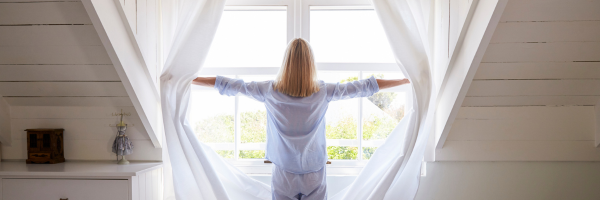
Consider installing skylights or sun tunnels in areas that lack windows, such as hallways or bathrooms. These additions bring in natural light, minimizing the need for electric lighting. Utilizing natural light not only lowers your energy consumption but also creates a more vibrant and uplifting atmosphere in your home.
- Optimize Heating and Cooling Systems:
Heating and cooling systems are major contributors to energy consumption in homes. By making a few adjustments, you can significantly improve their efficiency:
a. Programmable Thermostat: Install a programmable thermostat to regulate the temperature in your home automatically. This allows you to set different temperatures for different times of the day, ensuring that energy is not wasted when you’re away or asleep.

b. Proper Insulation: Insulation plays a crucial role in maintaining a comfortable indoor temperature. Check for gaps, cracks, or areas where insulation may be lacking, particularly around doors, windows, and in the attic. Properly insulating your home prevents energy loss and reduces the strain on your heating and cooling systems.
c. Regular Maintenance: Schedule regular maintenance for your HVAC system. Cleaning or replacing air filters, checking ducts for leaks, and ensuring that vents are unobstructed can significantly improve energy efficiency. Regular maintenance also prolongs the lifespan of your system.
Enhancing the efficiency of your home doesn’t have to be an overwhelming endeavor. By implementing these three small changes, you can make a significant impact on both your energy consumption and monthly utility bills. Embracing energy-efficient lighting, harnessing natural light, and optimizing your heating and cooling systems are simple yet effective steps towards creating an eco-friendly and cost-efficient home. Remember, even the smallest actions can contribute to a more sustainable future. Start small, and watch your efforts ripple into greater energy savings and a greener environment.

June 29th, 2023